
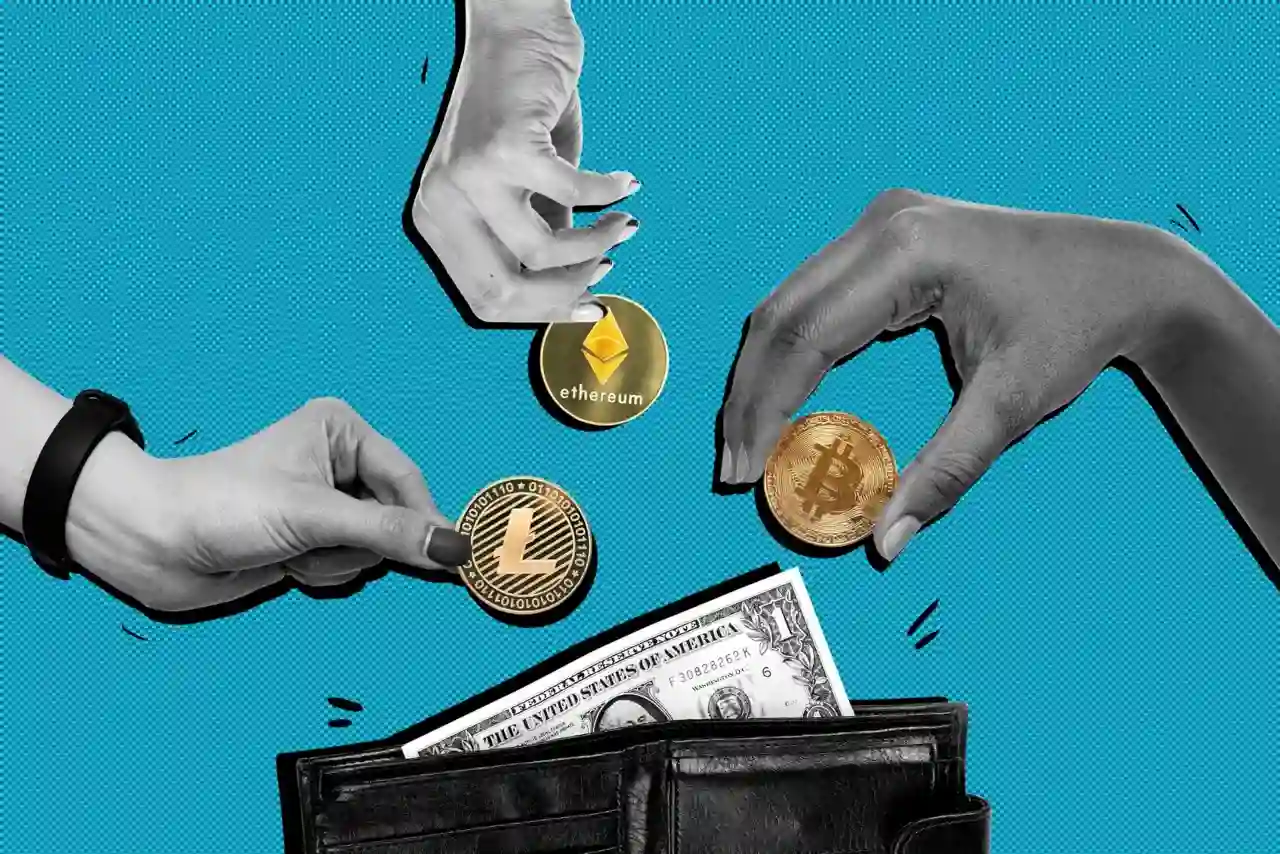
For years, cryptocurrency was seen mainly as an investment, something you buy, hold, and hope increases in value. Bitcoin was often called “digital gold,” while coins like Ethereum were viewed as tickets to the future of technology. But here’s the thing: crypto was never just about investing. Its original vision was about creating a new kind of money, borderless, fast, and free from traditional banking limits.
Today, that vision is becoming a reality. More businesses are accepting crypto payments, debit cards linked to crypto wallets are widely available, and apps are making it easier than ever to spend digital coins like regular money. You can now buy coffee, pay for online shopping, book flights, or even settle bills using cryptocurrencies.
Still, many people feel unsure about how to actually use crypto in daily life. They ask questions like: Where can I spend it? How does it work? Will I lose money if prices change? These are valid concerns, and understanding the process is key before you swipe or scan with your coins.
This guide breaks everything down in simple terms. You’ll learn where and how to pay with crypto, which tools make it easy, what risks to watch for, and tips to spend safely. By the end, you’ll see that using crypto for everyday purchases isn’t futuristic anymore—it’s already here.
Why Use Crypto for Payments?
There are several reasons why people choose to pay with crypto instead of traditional money:
- Global access: Crypto works anywhere in the world without worrying about exchange rates or bank restrictions.
- Fast transactions: Many payments are confirmed in minutes, sometimes even seconds.
- Privacy: Some coins allow you to pay without sharing personal banking information.
- Lower fees: In some cases, sending crypto costs less than using credit cards or international transfers.
- Innovation factor: Many people enjoy being part of the new digital economy.
Everyday Things You Can Pay for with Crypto
1. Food and Coffee
Some restaurants, cafes, and even food delivery services now accept Bitcoin, Ethereum, or stablecoins. Apps like BitPay or Coinbase Commerce let small businesses accept payments easily.
2. Online Shopping
E-commerce platforms are leading the way. Big retailers and marketplaces have partnered with crypto payment providers to allow customers to pay directly.
3. Travel and Flights
Companies like Travala, CheapAir, and some airlines let you book hotels and flights with crypto. For frequent travelers, this is one of the most practical uses.
4. Gift Cards
Even if a store doesn’t take crypto directly, you can buy gift cards through platforms like Bitrefill. This opens access to Amazon, Netflix, and many other brands.
5. Bills and Services
In some countries, utility bills, phone services, or subscriptions can be paid with crypto using apps that convert coins to local currency instantly.
How to Pay with Crypto: Step by Step
Step 1: Get a Wallet
You’ll need a crypto wallet to store and spend your coins. Options include:
- Mobile wallets: Trust Wallet, Coinbase Wallet.
- Exchange wallets: Binance, Kraken, Coinbase.
- Hardware wallets: Ledger, Trezor (more secure for long-term storage).
Step 2: Load Your Wallet
Buy crypto through an exchange or transfer it from another wallet. Popular coins for payments include Bitcoin, Ethereum, Litecoin, and stablecoins like USDT and USDC.
Step 3: Find Merchants That Accept Crypto
Look for the “Pay with Bitcoin” or “Crypto Accepted Here” sign online or at physical stores. You can also use directories like CoinMap to search for businesses.
Step 4: Scan or Send
At checkout, merchants provide a QR code or wallet address. Open your wallet app, scan, enter the amount, and confirm the payment.
Step 5: Confirm Transaction
Most transactions are confirmed within minutes. You’ll usually receive a receipt or confirmation message just like any other payment.
Tools That Make Spending Crypto Easy
- Crypto Debit Cards: Cards from platforms like Crypto.com, Binance, or Coinbase convert your crypto to local currency at the time of purchase. You can use them anywhere Visa or Mastercard is accepted.
- Payment Apps: Services like BitPay, Strike, or PayPal’s crypto feature allow direct spending.
- E-commerce Plug-ins: Shopify and WooCommerce stores often add crypto payment options via apps.
Challenges of Paying with Crypto
While the technology has improved, challenges remain:
- Volatility: Prices can change quickly, which may affect the value of what you’re paying.
- Merchant adoption: Not every store accepts crypto yet, especially small businesses.
- Transaction fees: On some blockchains, fees can spike during busy times.
- Learning curve: For beginners, using wallets and QR codes may take practice.
Tips for Paying Safely with Crypto
- Use stablecoins: For everyday payments, stablecoins like USDT or USDC are less affected by price swings.
- Double-check wallet addresses: Once sent, crypto payments can’t be reversed.
- Keep small balances in spending wallets: Don’t carry all your savings in a mobile wallet.
- Enable two-factor authentication: Adds extra protection against hacks.
- Start with small purchases: Build confidence before using crypto for larger expenses.
The Future of Crypto Payments
More partnerships between payment processors and merchants are being announced each year. Visa and Mastercard already support crypto-linked cards, and governments are exploring central bank digital currencies (CBDCs). As adoption grows, paying with crypto could become as normal as swiping a credit card.
For now, crypto payments may not replace cash or cards entirely, but they are carving out a role in online shopping, international transfers, and tech-forward communities.
Using crypto in everyday life isn’t just possible, it’s practical. From morning coffee to booking flights, the range of services that accept Bitcoin, Ethereum, or stablecoins continues to expand. While challenges like volatility and adoption remain, tools like crypto debit cards and mobile wallets make the process smooth and user-friendly.
For beginners, the best approach is to start small. Try buying a gift card or paying for a simple online service to get comfortable. As you gain confidence, you’ll see how crypto can fit into your daily routine.
In the end, crypto as a payment method is about freedom and choice. It gives you control over how you spend, without relying solely on traditional banks. Whether you’re a traveler, a tech enthusiast, or simply curious, learning how to pay with crypto opens up a new way of living in the digital economy.
Read also:What Does the Sale of 500,000 Bitcoins by Whales Mean for the Future of the Cryptocurrency Market?